What to Ask a Real Estate Sales Agent Before Hiring
When choosing an estate agent, many sellers base their decision on one or two things: who...


Foreign nationals regularly rent and buy property in South Africa, particularly in major economic hubs such as Johannesburg and Cape Town.
International companies relocate executives and skilled employees to South Africa. Foreign business owners, investors, students and families also contribute to demand for rental and residential property. For landlords, this provides access to a wider pool of prospective tenants, but every application still needs to be properly screened.
Foreign nationals may rent, buy and own property in South Africa. For rental applications, the issue is not the applicant’s nationality. It is whether their identity, immigration status, employment and affordability have been verified. Foreign nationals are also permitted to acquire freehold property in South Africa.
The landlord, or the property practitioner acting on the landlord’s behalf, should thoroughly screen and vet the applicant, verify their right to be in South Africa, and collect valid, up-to-date supporting documents before recommending or approving the application.
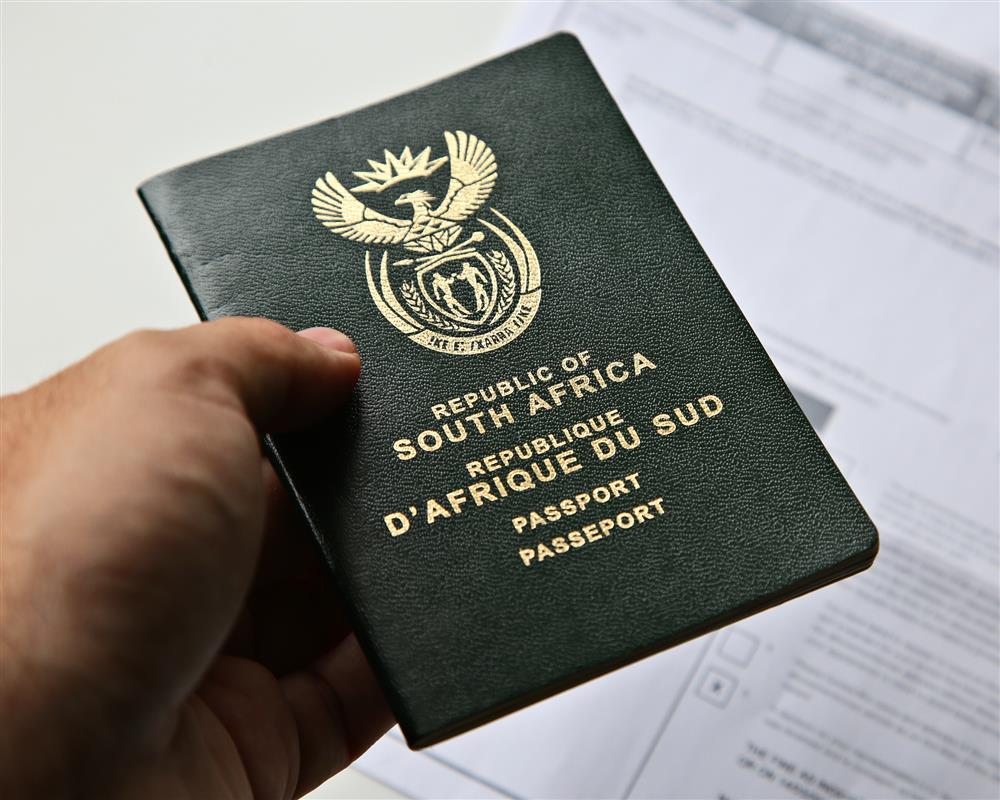
The same core rental checks apply as they would to a South African applicant. A foreign national must also provide a valid passport and the visa, permit or other document confirming their status in South Africa.
A foreign national will typically be asked to provide:
Property practitioners are accountable institutions under the Financial Intelligence Centre Act and must carry out customer due diligence based on the risk involved in the transaction. This includes establishing and verifying the identity of clients and ensuring that they are not dealing with anonymous applicants or people using false identities.
This process can also identify inconsistencies between the application, employment information and supporting documents. These checks are not intended to make the process unnecessarily difficult. Good documentation protects the landlord, the tenant and the agency handling the transaction.
The landlord or property practitioner should also check that the applicant’s passport, visa or permit will remain valid for the proposed lease period. Where a document expires sooner, the lease term can be adjusted or renewed once updated documents have been supplied and verified.
A foreign national who has only recently arrived in South Africa may not have a local credit profile or South African rental history. This does not make them an unsuitable tenant, but the landlord or property practitioner will need to use other documents to verify their employment and affordability.
These may include:
Corporate rental arrangements are common when international companies relocate executives or employees to areas such as Sandton or Rosebank. The company may sign the lease and list the employee as the authorised occupant, or the employee may sign while the company pays the rent or provides a housing allowance.
Where the company accepts responsibility for the rent, this can reduce some of the landlord’s financial risk. The lease must clearly identify the legal tenant, the authorised occupant, who is responsible for the rent and damage, and whether the company is providing a guarantee.
Having no South African credit history is not the same as having a poor credit history. The purpose of the screening process is to confirm that the applicant can afford the property and is likely to meet the terms of the lease.
Foreign nationals may buy and own property in South Africa, whether they live in the country or are purchasing as non-residents.
The buyer will need to provide the documents required for the conveyancing process, including proof of identity and information confirming the source of the funds used for the purchase.
Non-resident buyers may also need a larger deposit. At the time of writing, Standard Bank advertises non-resident home loans of up to 50% of the property’s purchase price, while FNB states that a 50% deposit is required for its non-resident home loan. Lending requirements may be different for foreign nationals who live and work in South Africa.
Before making an offer, the buyer should speak to a bond originator and conveyancing attorney to confirm the financing requirements, how the purchase funds will be transferred and whether there are any tax considerations.
Foreign nationals should be assessed using the same core rental criteria as any other applicant, with additional attention given to passports, visas, permits and supporting employment documents.
For landlords, a reputable rental agency does more than collect paperwork. An experienced property practitioner verifies the applicant’s identity, checks employment and affordability, follows up on inconsistencies and ensure the lease reflects the applicant’s circumstances.
This reduces the chance of incomplete or falsified documents being overlooked and gives the landlord a properly screened application on which to base their decision.







































































![What is POPIA? [Part 1]](https://s3.entegral.net/news/Thumbnail_2021_10_18_11_53_39_403.jpeg)