Spring Changes More Than the Garden - It Changes the Buyer
When we talk about selling property in spring, most of the advice focuses on the property...


Owning a rental property can be a strong long-term investment, but the success of that investment often depends on the tenant living in the property.
A good tenant pays on time, communicates clearly and treats the property with respect. A poor tenant can quickly lead to arrears, damage, disputes and unnecessary stress.
At Etchells & Young, we work with landlords and investors across a wide range of rental properties, and one thing is clear: finding the right tenant starts long before the lease is signed.
One of the most common mistakes landlords make is overpricing their rental property.
Every owner wants the best possible return, but an unrealistic rental price can leave a property standing vacant for weeks or even months. In many cases, a market-related rental with a shorter vacancy period is financially smarter than holding out for an inflated amount.
Quality tenants understand the market and know what else is available. They compare location, condition, security, space and value before making a decision.
The goal should be consistent rental income, not an optimistic asking price that keeps the property empty.
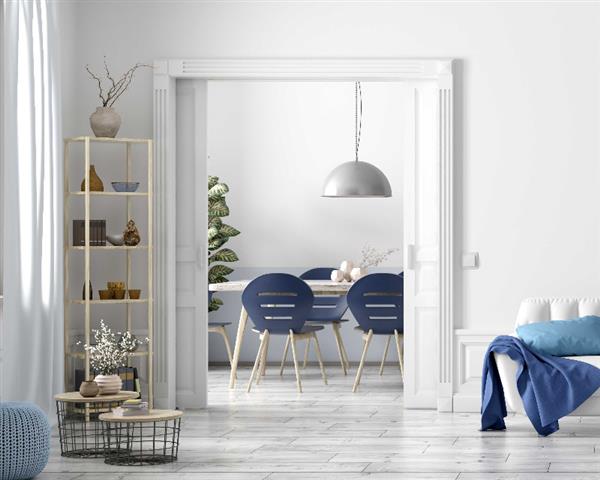
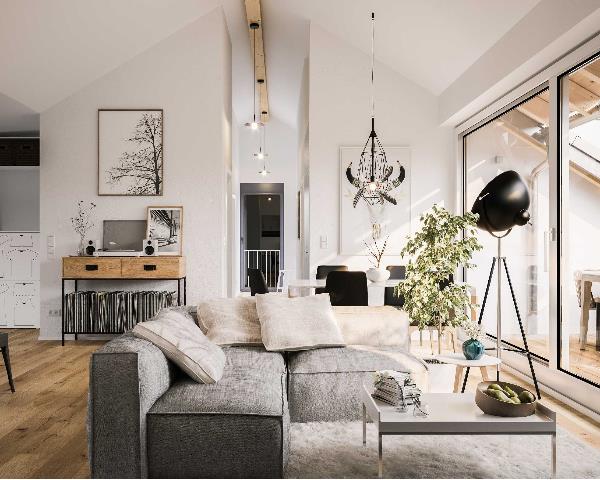
The way a property is presented can affect the type of tenant it attracts.
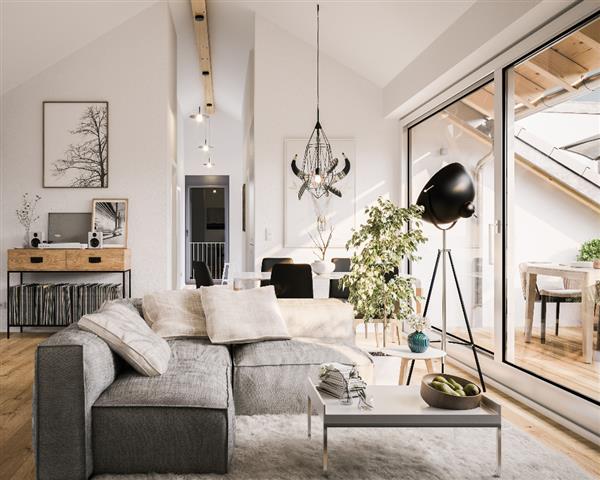
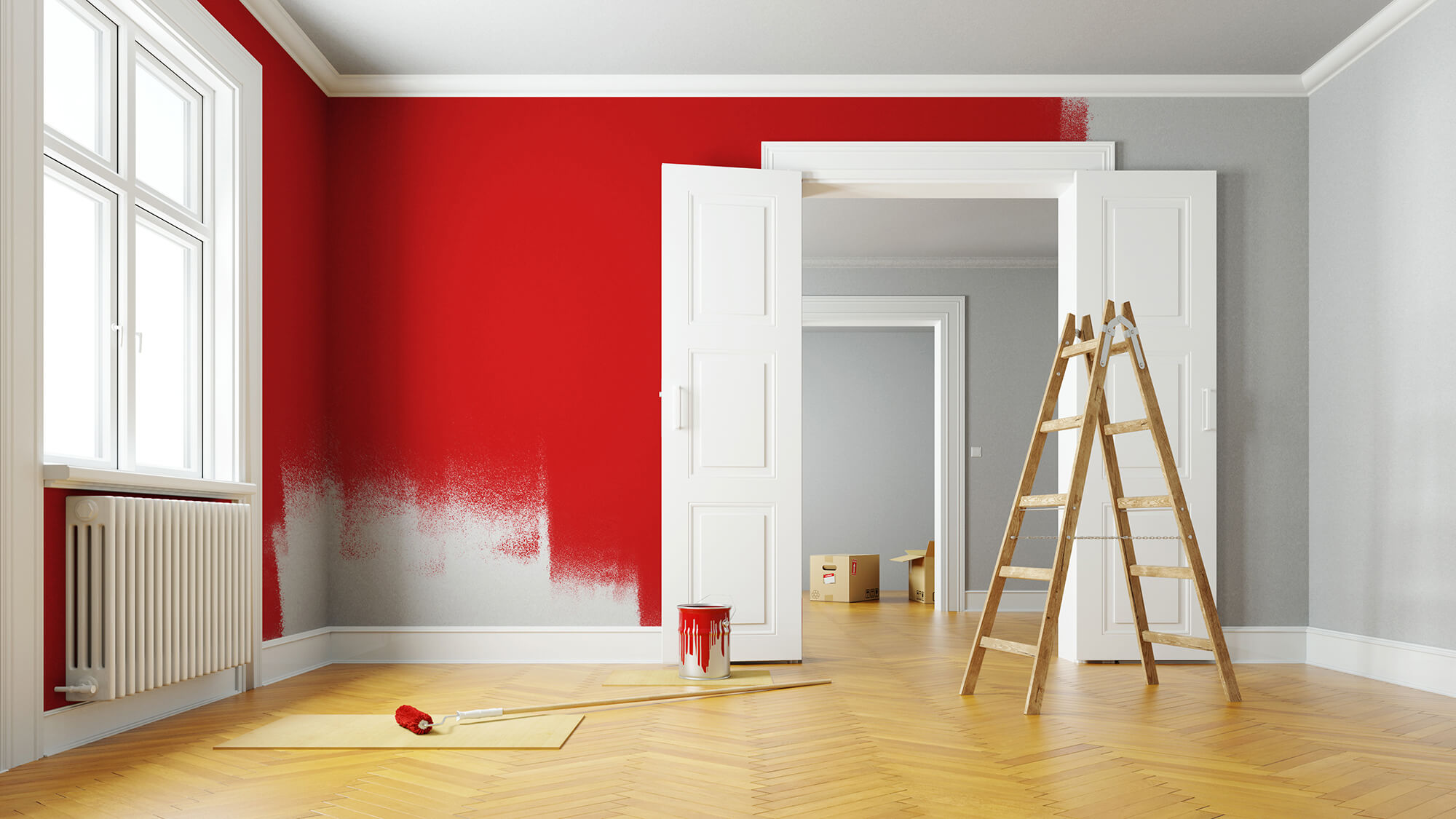
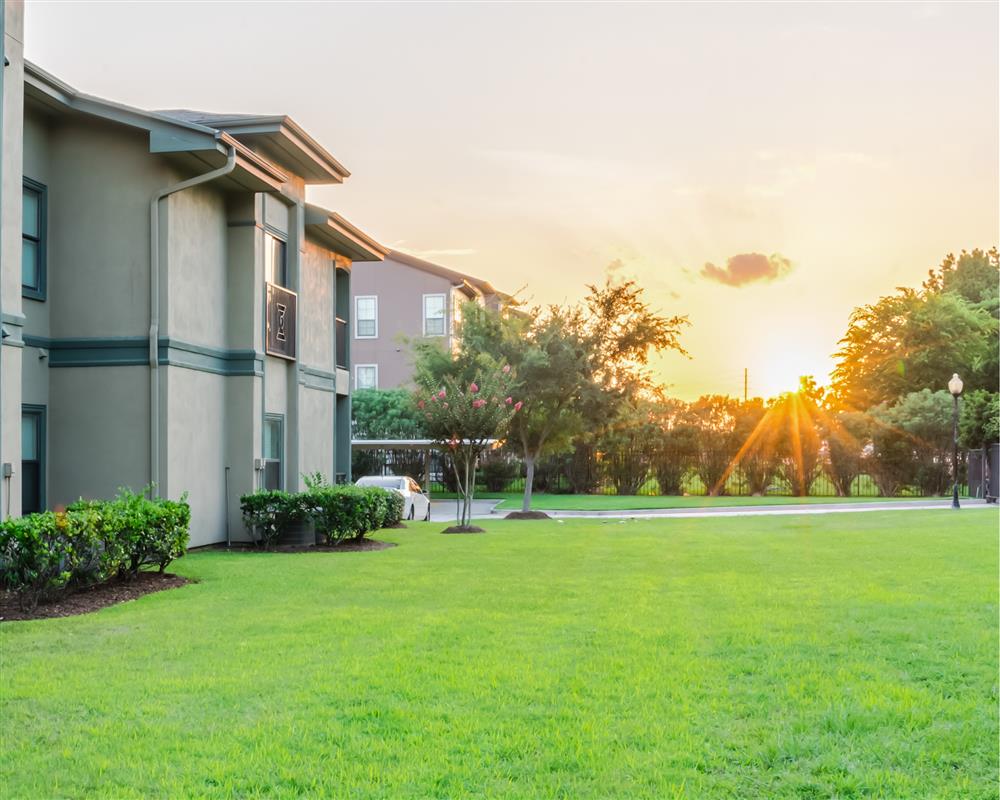
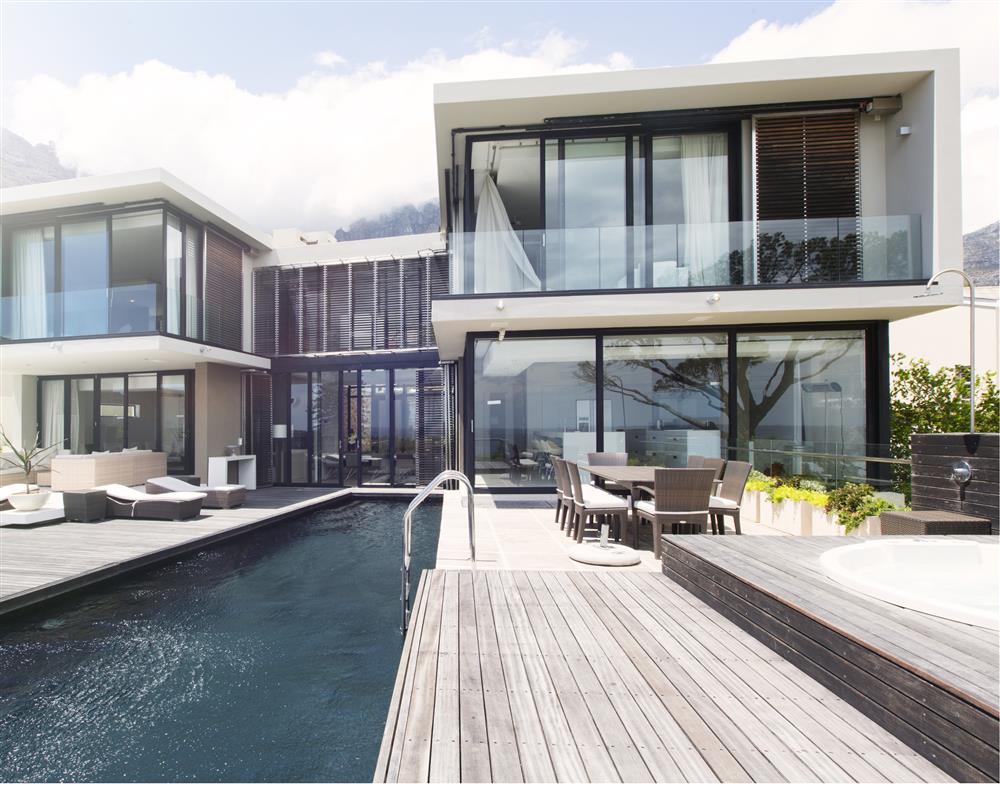
A clean, well-maintained property with good photographs, fresh paint where needed and neat outdoor areas will usually attract stronger interest. Tenants are not only looking at the space itself. They are looking at how well the property has been cared for.
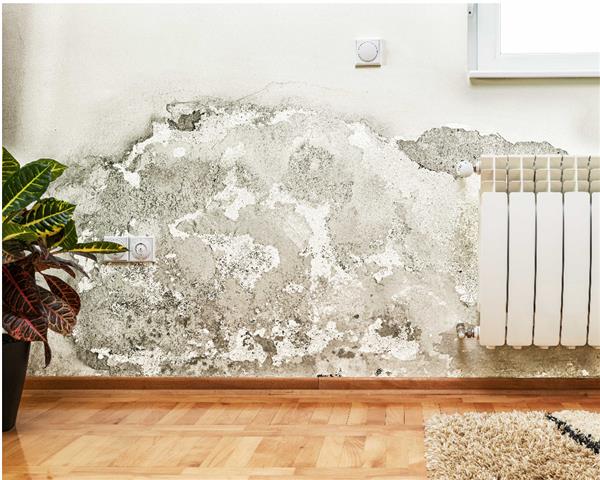
A neglected property can send the wrong message. It may also attract tenants who are less concerned about looking after the home.
Before listing a rental property, landlords should look at it from a tenant’s point of view. Small improvements can make a meaningful difference to the quality of applications received.
A tenant may present well at a viewing, but proper screening gives a much clearer picture of reliability and financial behaviour.
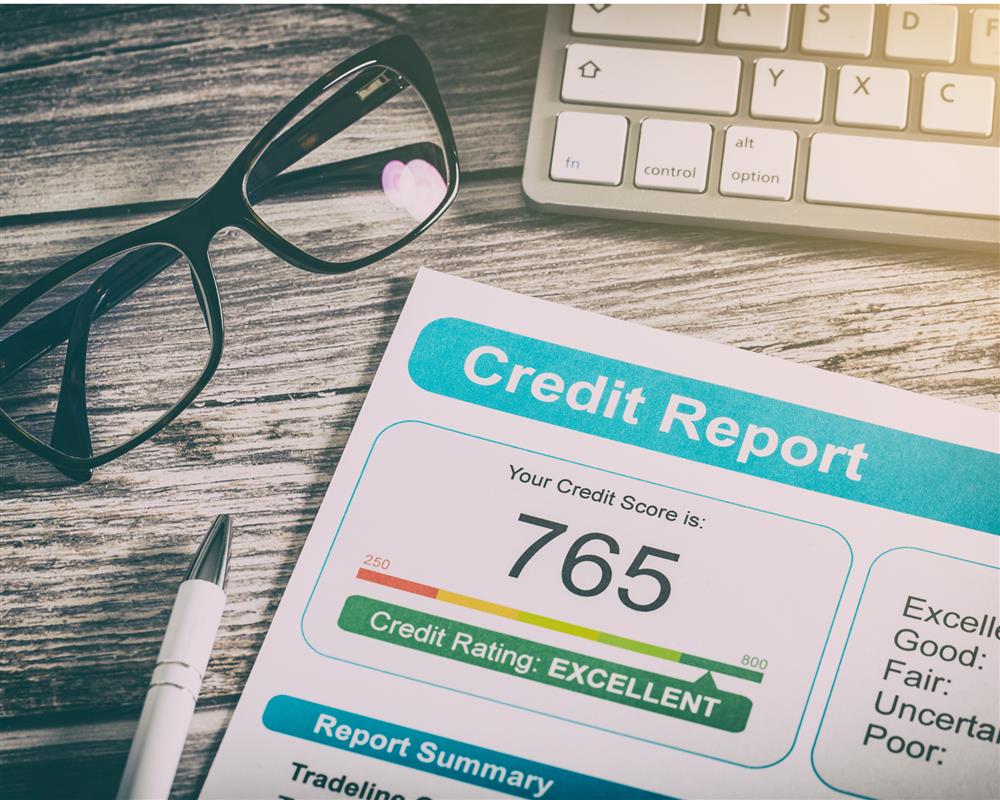
Credit checks, employment confirmation, affordability checks, bank statement reviews and previous landlord references all play an important role. These checks help establish whether the tenant can afford the rental and whether they have a history of paying on time and looking after previous properties.
Choosing a tenant should always be treated as a business decision. A friendly viewing is not enough. Proper vetting protects both the landlord and the property.
Affordability is important, but it is not the only thing that matters.
Some tenants earn well but have poor payment habits. Others meet the affordability requirements and show signs of stability, clear communication and respect for the process.
From the first enquiry, landlords and agents can often pick up useful signs. How quickly does the applicant respond? Are their documents in order? Do they communicate professionally? Do they understand the lease requirements?
Reliable tenants usually show reliable habits from the start.
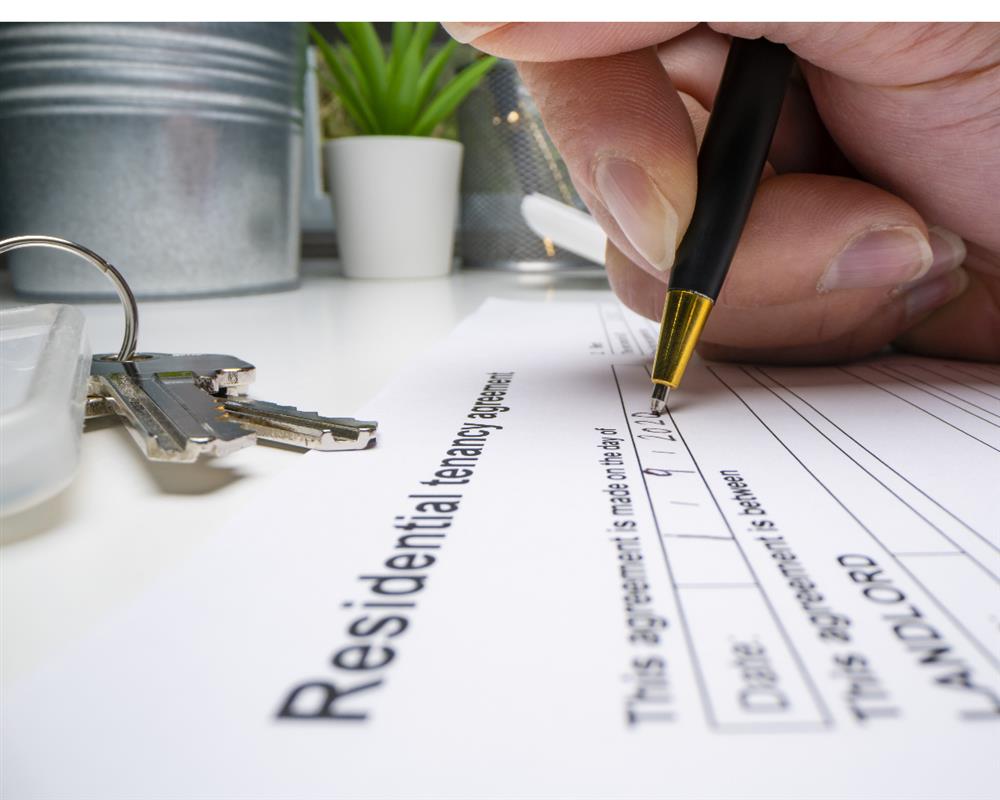
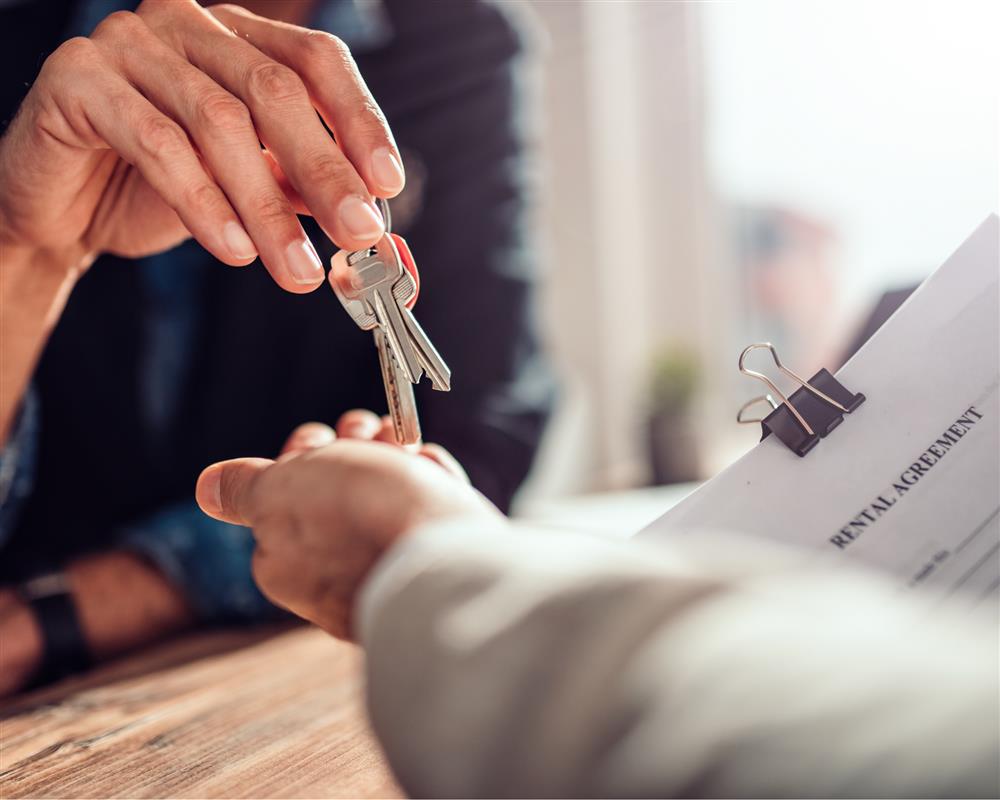
A professionally drafted lease agreement protects both the landlord and the tenant.
The lease should clearly set out the rental amount, deposit, payment dates, maintenance responsibilities, inspection arrangements and rules relating to the property. When expectations are clear from the beginning, there is less room for misunderstanding later.
Landlords should also ensure that their lease agreements comply with current South African rental legislation. An informal agreement may feel easier at the time, but it can create serious problems if a dispute arises.
A good lease brings structure to the rental relationship.
Good tenants are more likely to stay when maintenance is handled responsibly.
This does not mean every request is automatically the landlord’s responsibility, but legitimate maintenance issues should be dealt with promptly. Small problems can become expensive if ignored, and slow responses can damage the relationship with the tenant.
A well-maintained property also protects the landlord’s asset. Tenants are generally more likely to care for a home when they can see that the owner does the same.
A rental property is a business relationship, and communication should be handled professionally from both sides.
Landlords do not need to be overly involved, but they should be fair, approachable and responsive when needed. Tenants who feel respected are more likely to communicate openly, report maintenance concerns early and renew their leases.
Good communication also helps prevent small issues from becoming larger disputes.
Annual rental increases are expected, but they should remain fair and market-related.
Losing a good tenant over an aggressive increase can cost more than the increase would have gained. Once the property is vacant, the landlord may face advertising costs, a vacancy period, placement fees and the risk of starting the process again with an unknown tenant.
A reliable tenant who pays on time and looks after the property has real value. Rental growth matters, but it should be weighed against tenant retention and current market conditions.
Routine inspections are an important part of protecting any property investment.
They help identify maintenance concerns, check whether the property is being looked after and address potential issues before they become more serious. Inspections should always be done with proper notice and in a respectful manner.
The purpose is not to police the tenant. It is to maintain the standard of the property and protect the landlord’s investment.
For many landlords and investors, especially those with busy schedules or more than one property, professional rental management can make a significant difference.
An experienced rental agent can assist with tenant sourcing, proper screening, lease agreements, rental collection, maintenance coordination and compliance. This helps reduce risk and saves the landlord time.
A rental property needs more than a tenant. It needs proper management.
Finding and keeping good tenants is not about luck. It comes down to correct pricing, proper screening, a well-presented property and professional management throughout the lease.
The right tenant can help turn a rental property into a stable investment. The wrong tenant can quickly become expensive.
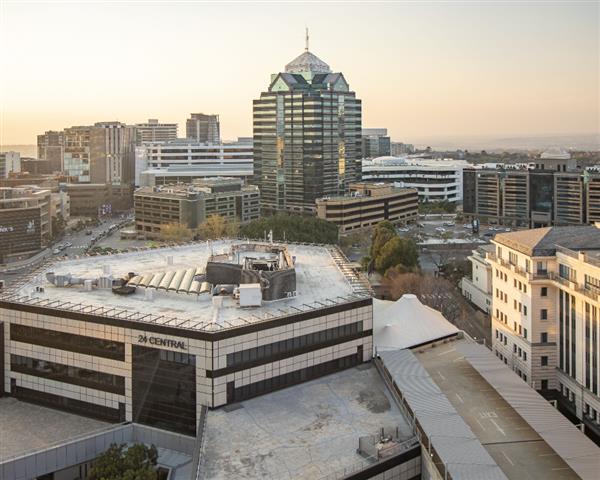
At Etchells & Young, we assist landlords with tenant placement and rental management across Randburg, Sandton and surrounding areas. If you would like advice on renting out your property, our team would be happy to assist.




























































![What is POPIA? [Part 1]](https://s3.entegral.net/news/Thumbnail_2021_10_18_11_53_39_403.jpeg)