Why Is It Better to Rent a Professionally Managed Property?
Landlords want tenants who pay on time, take care of their property and honour the lease....


17 December 2026
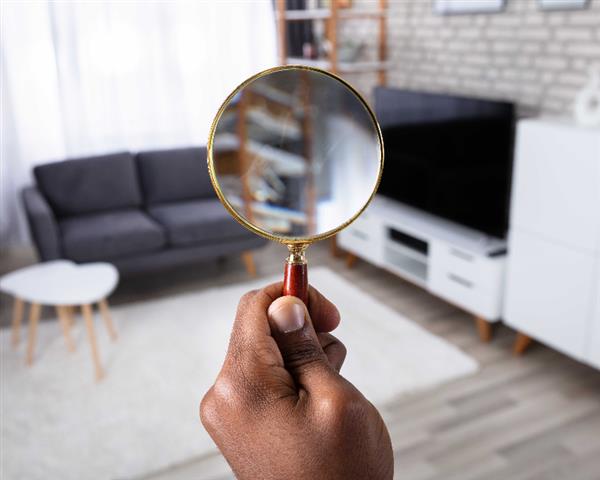
A proper inspection is one of the most important legal requirements in a residential lease. It protects both the landlord and tenant, prevents disputes, and ensures a fair and transparent assessment of the property’s condition throughout the tenancy.
The Rental Housing Act (RHA) sets clear rules for entry and exit inspections, and understanding these obligations helps both parties avoid conflict – especially when it comes to deposit refunds.
Joint inspections play a crucial role in determining which party is responsible for specific defects or damage. These inspections:
Inspection reports form the foundation of a fair, transparent, and legally sound rental relationship.
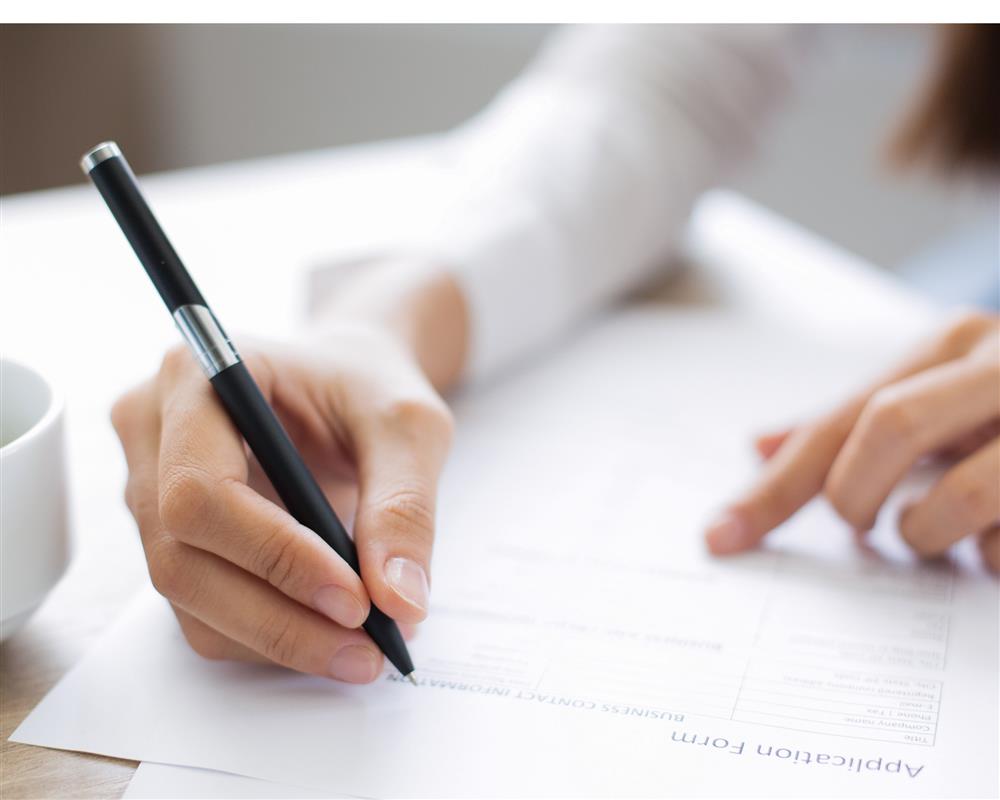
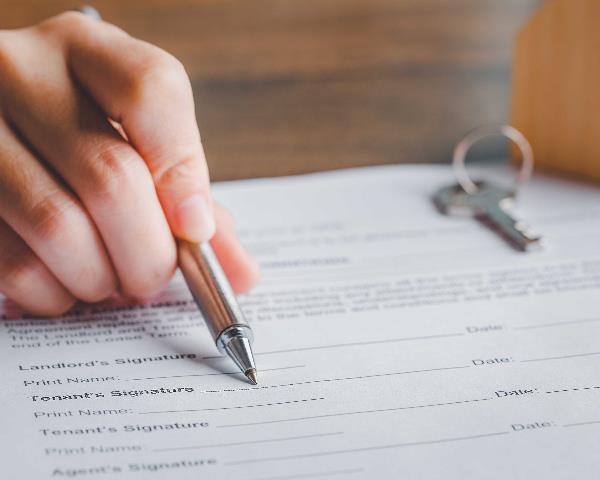
An inspection report is a detailed written record of the property’s condition, often supported by photographs or videos. The report should be completed in writing, signed by both the landlord or agent and the tenant, and include thorough notes on each room, fixture, and feature. Where relevant, the report should reference supporting photographs. Once completed, it must be attached to the lease agreement as an annexure. The more comprehensive the report, the better, as clear documentation protects both parties and makes the final deposit refund process far more efficient.
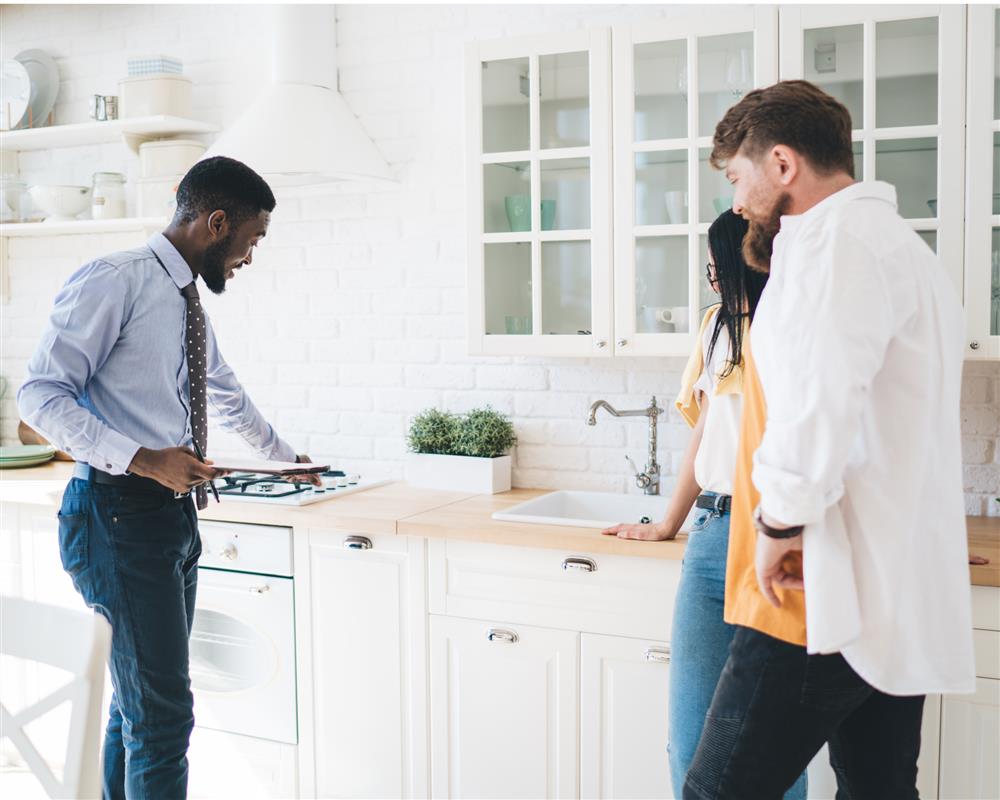
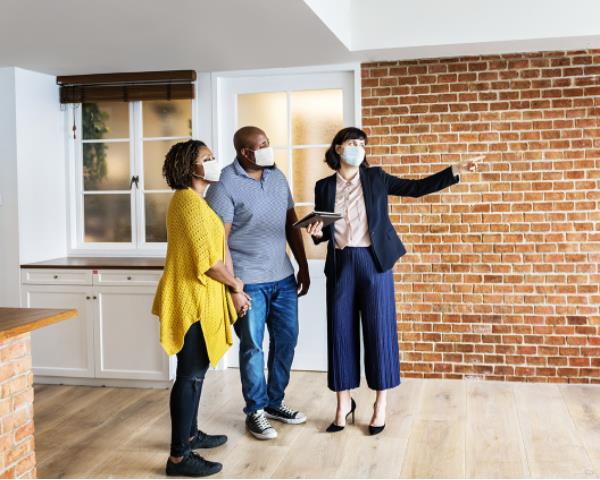
The RHA requires the landlord or the appointed agent to conduct the entry inspection in the presence of the tenant. This inspection documents the property’s condition before occupation, including all defects (whether major or minor). It also identifies any items that may require repair before occupation, as well as cosmetic or non-material imperfections that do not require immediate attention but should still be recorded for reference at the end of the lease.
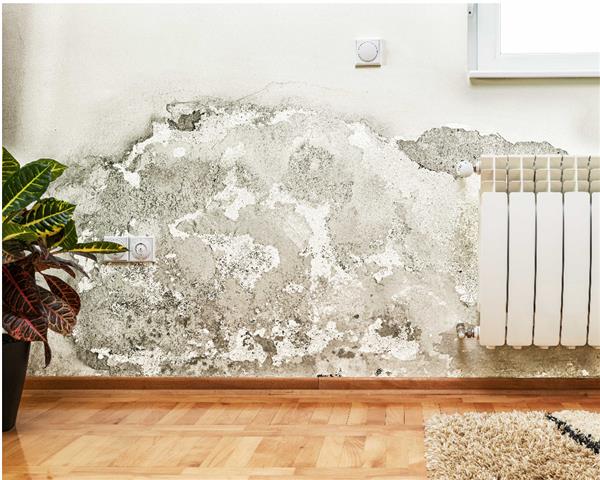
The landlord is only required to repair defects that materially affect the tenant’s beneficial occupation, meaning issues that affect the tenant’s reasonable ability to use and enjoy the property as intended. Minor or cosmetic imperfections, such as small scuffs, light paint wear, minor chips, or general signs of use, do not always need to be repaired immediately. However, they must be noted during the entry inspection so that the tenant is not held responsible for them at a later stage.
If the landlord or agent fails to conduct the entry inspection with the tenant present, the RHA is explicit: The property is legally deemed to be in good condition at the start of the lease. As a result, the landlord forfeits the right to claim damages from the tenant’s deposit at the end of the lease. This is one of the strongest tenant protections offered to tenants in the RHA.
If the tenant does not respond to the landlord or agent’s request for an inspection, or fails to be present at the agreed-upon time, the landlord or agent is entitled to carry out the inspection without the tenant. In these circumstances, the landlord or agent may document the property’s condition independently, and this record will later be used to determine responsibility for any damages when the lease comes to an end.
When the lease ends, the landlord or agent and tenant must again conduct a joint exit inspection. This assessment determines:
For clarity and fairness, the exit inspection should be completed on the same document used for the entry inspection. This allows for an easy and transparent comparison between “before” and “after.”
If the Landlord Misses the Exit Inspection
If the landlord or agent fails to attend the scheduled inspection:
If the tenant does not respond to requests for an exit inspection or fails to be present:
Inspection reports can never be too detailed or too thorough. Joint entry and exit inspections remain the single most effective way to protect both parties, determine liability fairly, prevent disputes, and ensure a smooth and timely deposit refund.













































![What is POPIA? [Part 1]](https://s3.entegral.net/news/Thumbnail_2021_10_18_11_53_39_403.jpeg)