Spring Changes More Than the Garden - It Changes the Buyer
When we talk about selling property in spring, most of the advice focuses on the property...


22 December 2026
One of the most common points of confusion at the end of a lease is the difference between fair wear and tear and damage caused by the tenant. The distinction is important because it determines whether the landlord is entitled to deduct money from the tenant’s deposit. The Rental Housing Act requires that tenants return the property in the same condition as it was received, excluding fair wear and tear, which naturally occurs through normal use over time.
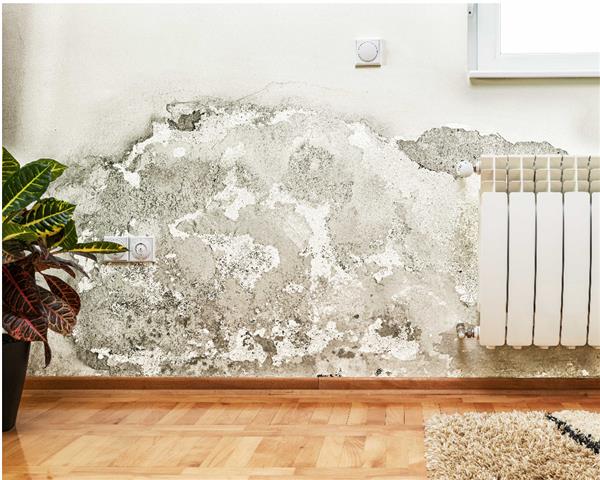
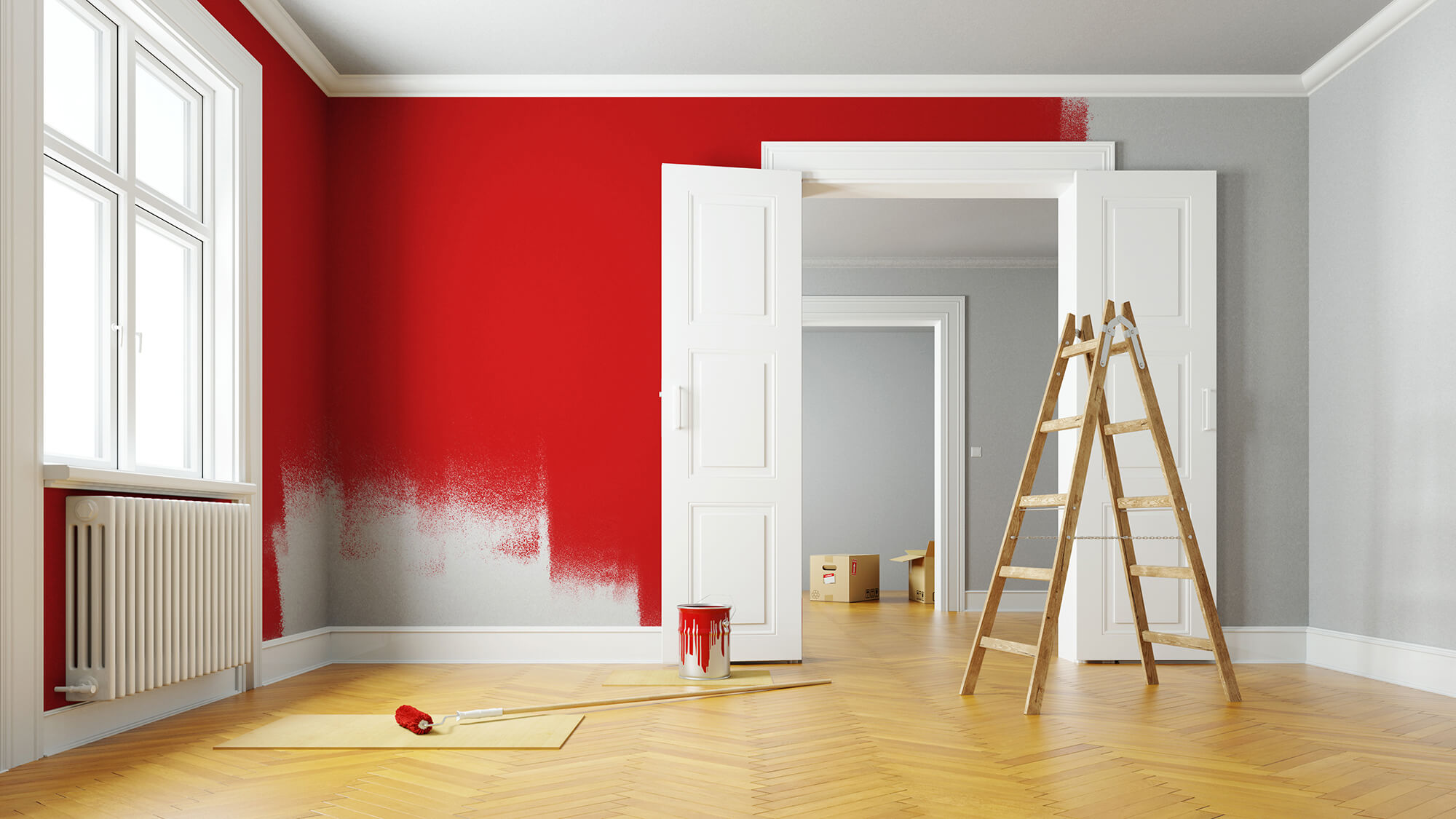
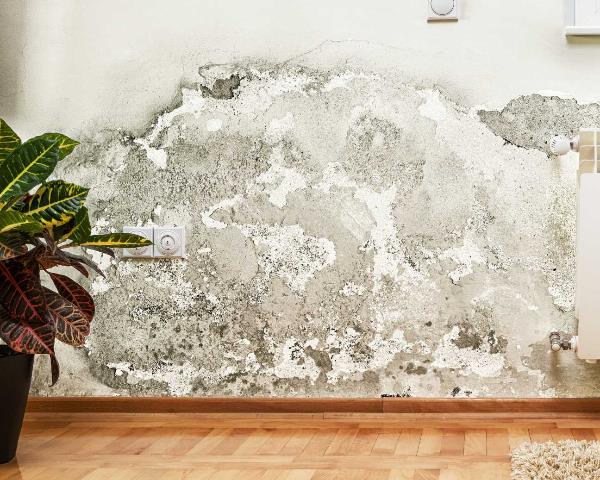
Fair wear and tear refers to the natural, gradual deterioration that happens as a property ages. These are changes that occur even when the tenant has looked after the property responsibly. Examples include the fading or dulling of paint due to sunlight, minor scuff marks on walls from routine living, carpets becoming worn in high-traffic areas, and general age-related deterioration. These issues are considered normal and cannot legally be deducted from the tenant’s deposit.
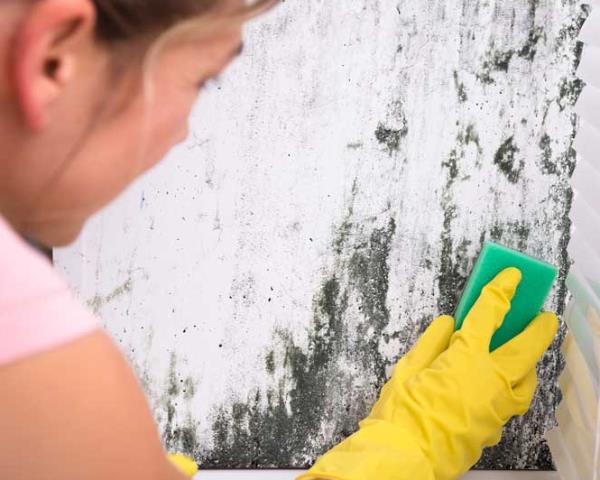
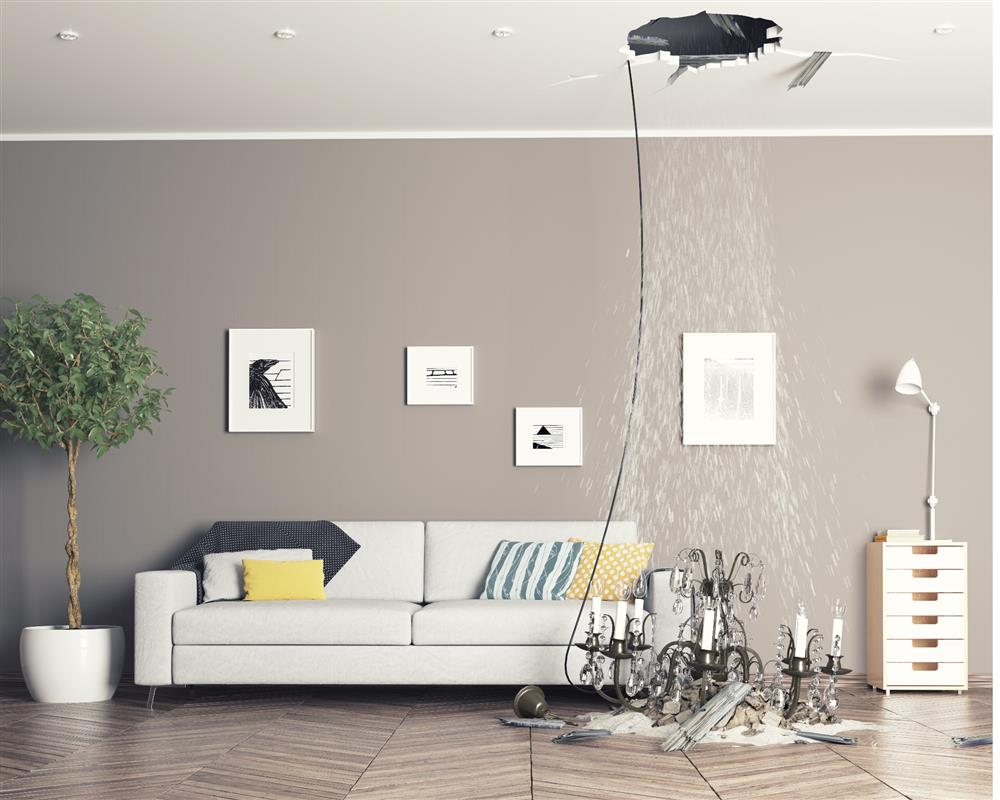
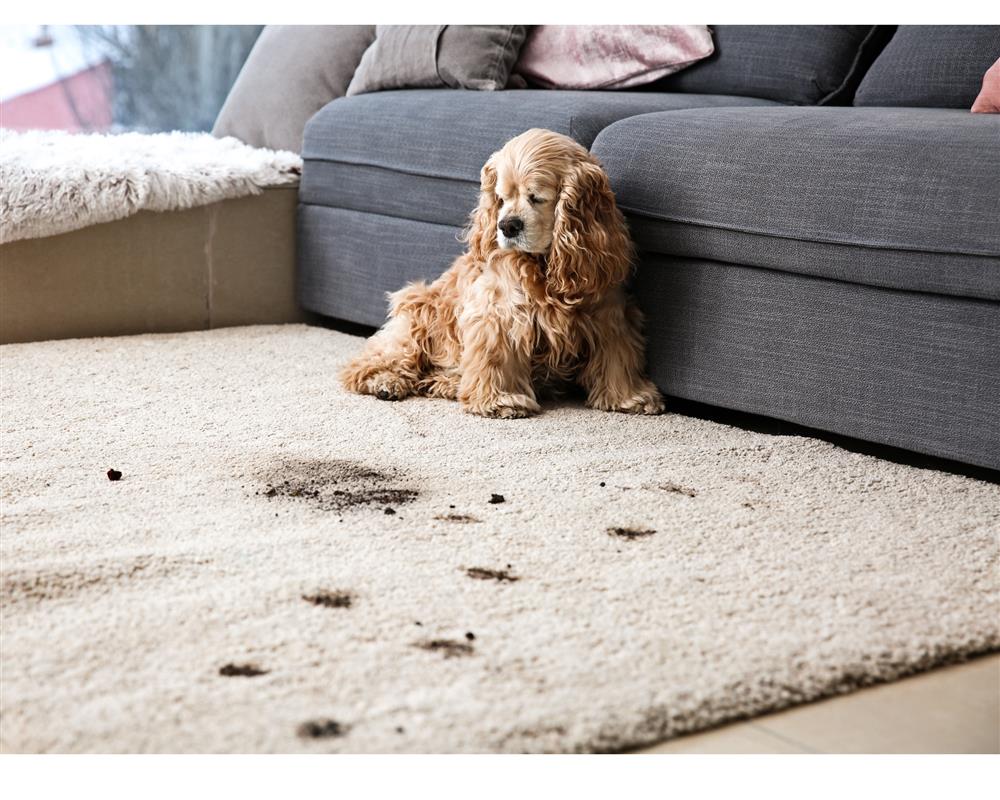
Damage, on the other hand, refers to the avoidable deterioration that results from negligence, misuse, or carelessness. This could include holes in walls, broken fittings, cracked tiles, burnt countertops, or stains on the carpet. Excessive pet damage also falls into this category, as do missing or damaged keys, remotes, and security devices. Because this type of damage goes beyond normal use, the landlord is legally entitled to recover the reasonable repair costs from the tenant’s deposit.
Even with a thorough entry inspection, some defects only become noticeable once the tenant has lived in the property for a few days. For this reason, most lease agreements allow tenants to report any additional defects that were missed during the entry inspection – typically within the first 7 days of the lease.
These items should be reported in writing, preferably by email, unless the lease specifies another method. Any additional issues reported by the tenant, as well as defects that the landlord has repaired after occupation began, should be added to the defects list and kept on record. This protects the tenant from being held responsible for pre-existing issues at the end of the lease.
The Rental Housing Act allows landlords or agents to conduct inspections during the lease period as long as they provide reasonable notice and respect the tenant’s right to privacy. These mid-lease inspections are typically quick and non-intrusive, and they play an important role in identifying maintenance issues early. By catching potential problems before they worsen, both the landlord and tenant can avoid larger and more costly repairs later in the tenancy.
If a tenant has caused damage during the lease term, they are responsible for repairing it before the lease expires. When a tenant chooses not to complete these repairs, the landlord is entitled to use the tenant’s deposit to carry them out. Once this happens, the tenant no longer has control over who performs the work or what the repair costs will be, and they usually cannot return to the property after vacating. This also helps ensure that the property is ready for the next occupant without unnecessary delays.
The most effective way to prevent disagreements at the end of the lease is through consistent documentation and clear communication. Conducting both the entry and exit inspections jointly is essential, and taking photographs or videos of the property’s condition can be invaluable. Both parties should sign the defects list and keep copies of all inspection reports and correspondence. When issues are identified early and addressed promptly, the final refund process is far smoother and less stressful for everyone involved.




























































![What is POPIA? [Part 1]](https://s3.entegral.net/news/Thumbnail_2021_10_18_11_53_39_403.jpeg)