What to Ask a Real Estate Sales Agent Before Hiring
When choosing an estate agent, many sellers base their decision on one or two things: who...


19 January 2026
As we head into 2026, many South Africans are asking whether property is still a good investment. After several years marked by rising interest rates, economic pressure and political uncertainty, the local property market is showing clear signs of recovery.
Based on current data and market conditions, the answer is yes – property remains a sound long-term investment in South Africa, provided buyers are selective about where they invest and realistic about returns.
The recovery now taking shape is underpinned by improving fundamentals. The South African Reserve Bank (SARB) has guided inflation toward a lower target of around 3%, comfortably within its proposed 2–4% range. This is significant, as even modest house price growth of 3–4% now translates into positive real returns.
Lightstone has noted that when inflation is anchored at lower levels, property resumes its role as a reliable store of value, rather than merely keeping pace with rising costs.
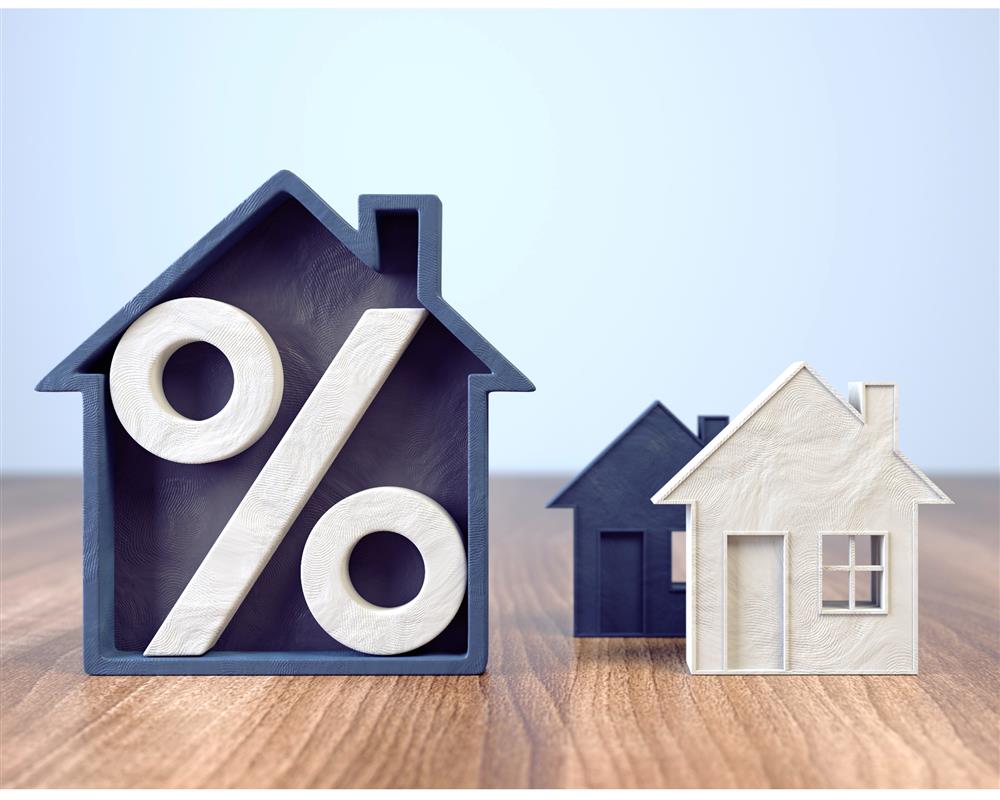
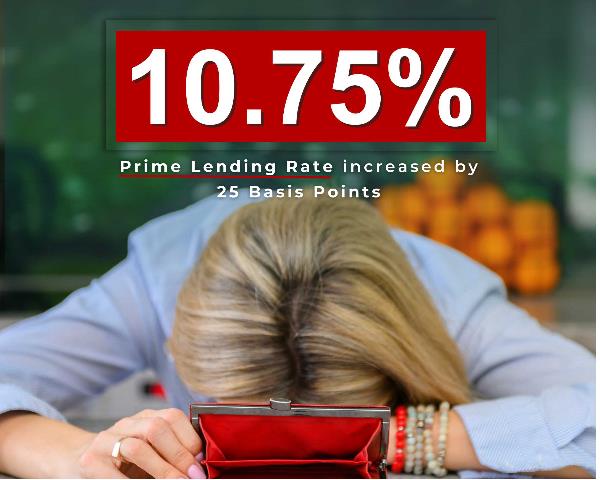
Interest rates have also shifted meaningfully. The rate-cutting cycle that began in late 2024 and accelerated through 2025 has improved affordability across the market. Lower bond repayments have eased pressure on household budgets and increased purchasing power for both first-time and repeat buyers. Analysts expect further rate cuts through 2026, with the prime lending rate likely to settle between 9.5% and 9.75% by year-end.
According to Ooba Home Loans, a 75-basis-point reduction in interest rates equates to a monthly saving of approximately R839 on a typical home loan of R1.695 million. This has supported renewed buyer activity, particularly among first-time buyers, who account for more than half of all home loan applicants.
On an international scale, South Africa continues to rank among the more affordable residential property markets when measured by price-to-income ratios. While this does not mean property is inexpensive in absolute terms, it does mean entry levels remain comparatively accessible, supporting sustained demand and long-term market resilience.
Improved sentiment has also been reinforced by South Africa’s removal from the FATF grey list, upgrades from international credit rating agencies and a modest improvement in GDP growth. Together, these factors have renewed interest from both local and foreign investors, particularly in established, high-demand areas.
The recovery is not uniform across the country, but segment-specific. Certain regions continue to outperform, while others offer value and income opportunities rather than rapid capital growth.
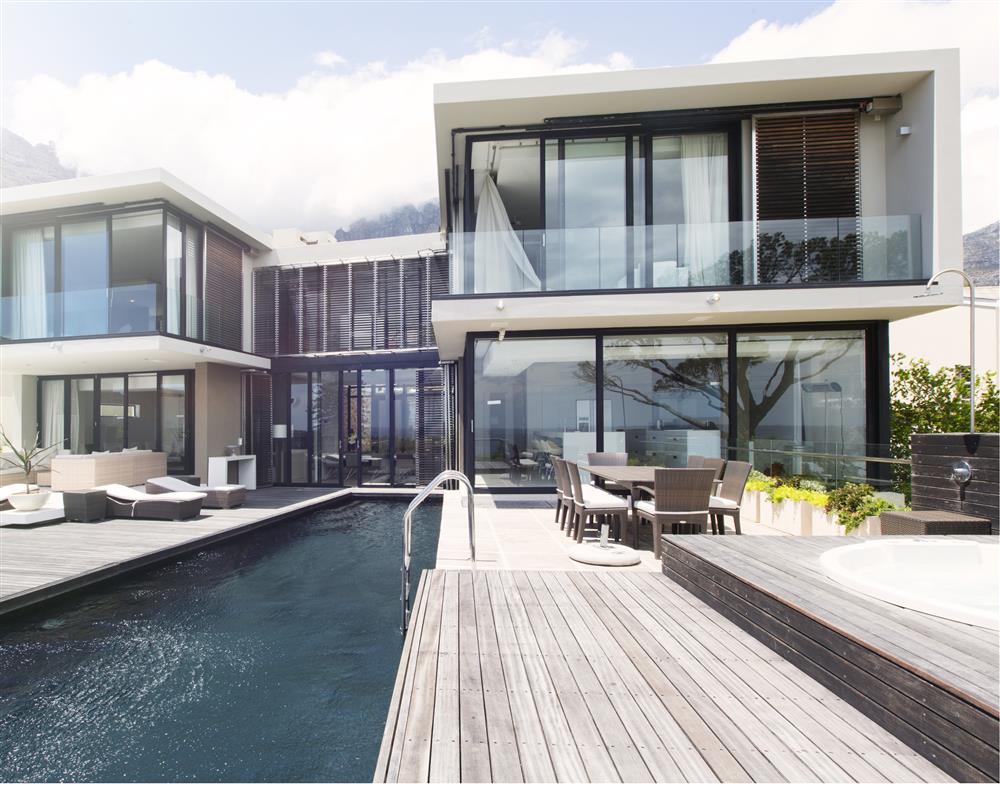
The Western Cape and KZN North Coast remain the strongest performers in terms of price growth, supported by semigration, infrastructure reliability, lifestyle appeal and limited housing supply. Lightstone data shows price growth in these regions running well ahead of the national average, particularly in areas such as Cape Town’s Atlantic Seaboard and City Bowl, and Ballito and Salt Rock on the North Coast.
However, higher property prices and slower rental escalation in these markets are placing pressure on gross yields, especially for investors focused on income rather than capital growth. These coastal markets continue to deliver strong price growth, but at significantly higher entry levels.
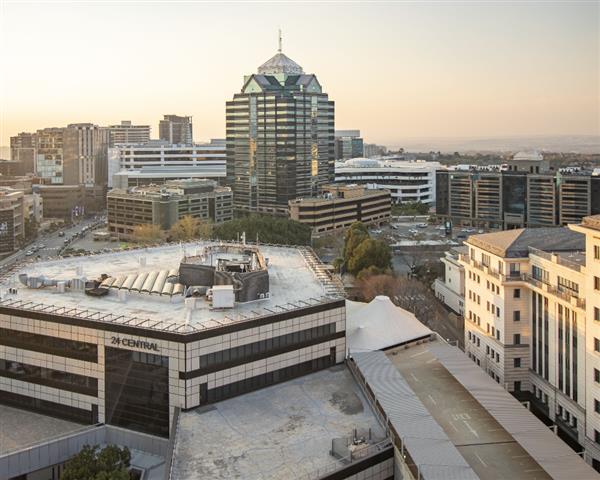
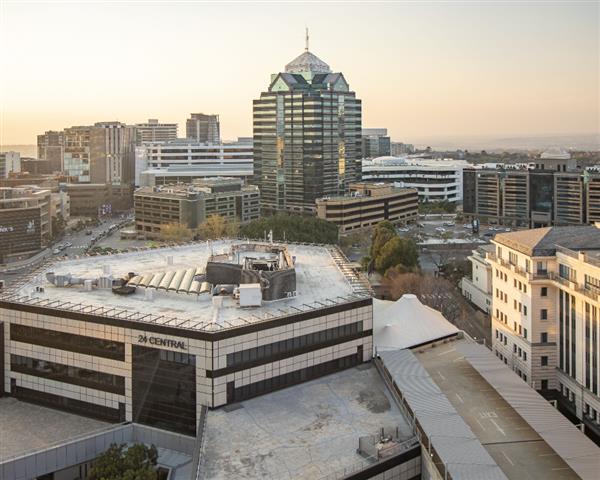
In contrast, Gauteng offers comparative affordability, stronger yields and broader buyer access – conditions that are particularly attractive in the current cycle.
Gauteng remains a buyer’s market. While price growth has been slower, the province offers more balanced stock levels, strong value and attractive rental yields. First-time buyers are able to secure larger, well-located properties at price points that would typically only allow entry-level apartments in coastal provinces. This makes Gauteng a natural fit for rent-vesting strategies and income-focused investors.
Foreign buyer activity remains notable. In 2025, foreign buyers in Gauteng spent an average of R2.7 million per property, significantly higher than local buyers. This reflects ongoing international confidence in the province as South Africa’s economic hub.
Political and economic visibility is also improving. The 2026 Local Government Elections are expected to play an important role in stabilisation and service delivery confidence, while Johannesburg’s exposure through the G20 Summit has helped reinforce international credibility and investor sentiment.
Rental market data further strengthens Gauteng’s position. According to FNB, Gauteng recorded rental escalations of just over 4% in the third quarter of 2025. Tenant payment behaviour has also improved quarter-on-quarter, with tenants in good standing rising to 83.29%. From a yield perspective, Gauteng continues to outperform higher-priced markets, with gross sectional title yields of approximately 12.2% and stable full title yields of around 7.1%. For investors seeking sustainable income alongside long-term capital appreciation, this balance is difficult to replicate elsewhere.
After several years of subdued performance, rental growth is once again outpacing inflation. National rental escalations increased steadily through 2025 and have exceeded CPI since late 2024. According to TPN, landlords have adopted a more confident stance as tenant payment performance improves and placement risk declines.
The bulk of South Africa’s formal rental market sits in the mid-market segment, where demand remains strong. These dynamics support investor confidence by providing stable income alongside the potential for long-term capital growth.
Banks have responded to improved affordability and lower inflation by competing more actively for home loan business. Faster approvals, rate concessions and higher loan-to-value offerings for qualifying buyers have supported transaction volumes and buyer confidence. In some cases, first-time buyers are able to access loans that include transfer costs, reducing upfront barriers to entry.
So, is property still a good investment in South Africa?
The evidence suggests that it is – particularly in markets where affordability, demand and yield intersect. While returns are no longer driven by rapid price inflation, the current cycle favours informed, long-term investors who focus on fundamentals. Improving macro-economic conditions, resilient rental markets and renewed confidence are restoring property’s role as a dependable investment asset.
The opportunity lies not in chasing the market, but in understanding it – and investing accordingly.


































































![What is POPIA? [Part 1]](https://s3.entegral.net/news/Thumbnail_2021_10_18_11_53_39_403.jpeg)