Spring Changes More Than the Garden - It Changes the Buyer
When we talk about selling property in spring, most of the advice focuses on the property...


6 May 2026
A true corporate tenancy describes a corporate entity that pays the full monthly rental on behalf of its executive employee, guaranteeing the rental payment for the duration of the lease agreement. The lease agreement is drawn up in the company’s name (the tenant), rather than the occupant’s name (the corporate individual residing in the property).
However, the term ‘corporate client’ has become synonymous with high-profile professionals from esteemed companies with generous budgets, looking to rent prime property within or surrounding a city’s business district. In this case, the corporate executive will cover the cost of their tenancy themselves, having the financial means and employment security to do so comfortably.
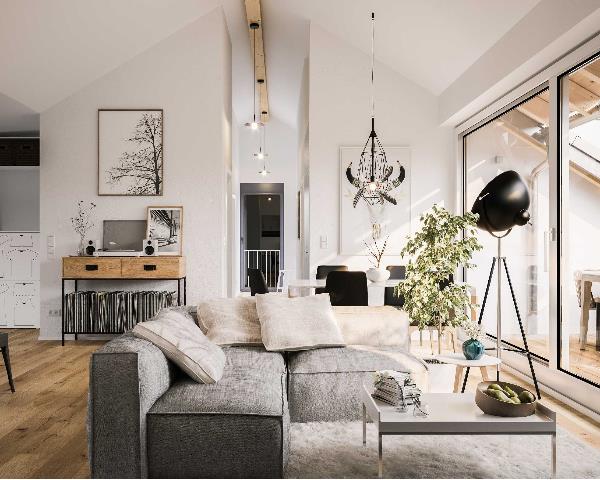
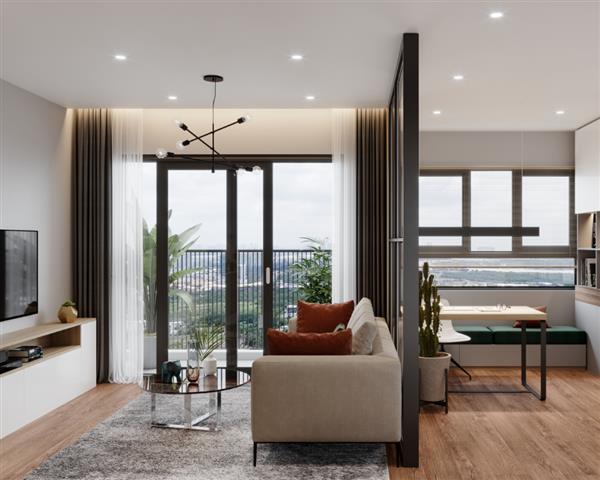
Attracting and retaining corporate professionals is largely dependent on creating and maintaining a high level of comfort and luxury that complements their sophisticated lifestyles and provides a welcome reprieve from their demanding work commitments.
Higher Rental: While competitively pricing your property is imperative for the longevity of your corporate investment, corporate rentals do fall within the high-end residential bracket. This means that landlords reap the benefits of higher rentals, which may translate into higher rental returns if managed effectively.
Longer Lease Terms: In terms of a true corporate tenancy, where the executive employee has relocated to an area for work purposes on a fixed-term basis, the corporate entity pays the rental instalments for the duration of the lease agreement. In many cases, corporate professionals are posted to a new city on long-term contracts of one to five years, providing the security of uninterrupted rental payments.
High-Calibre Tenants: Corporate clients are professionals who reflect, and are held accountable to, their company’s ideals and value systems. However, corporate tenants have justifiably high standards when it comes to how a corporate rental property is furnished and maintained during their tenancy. Quality tenants expect quality service.
Factors such as location, proximity to local amenities, the availability of exclusive on-site facilities, the quality of furnishings, security, age, size, and layout all have an effect on rental demand and, therefore, the rental price. Our corporate agents are experts in their areas and are fully equipped to provide a competitive, market-related rental price for your property.
Q: Do I need to upgrade my security for a corporate tenant?
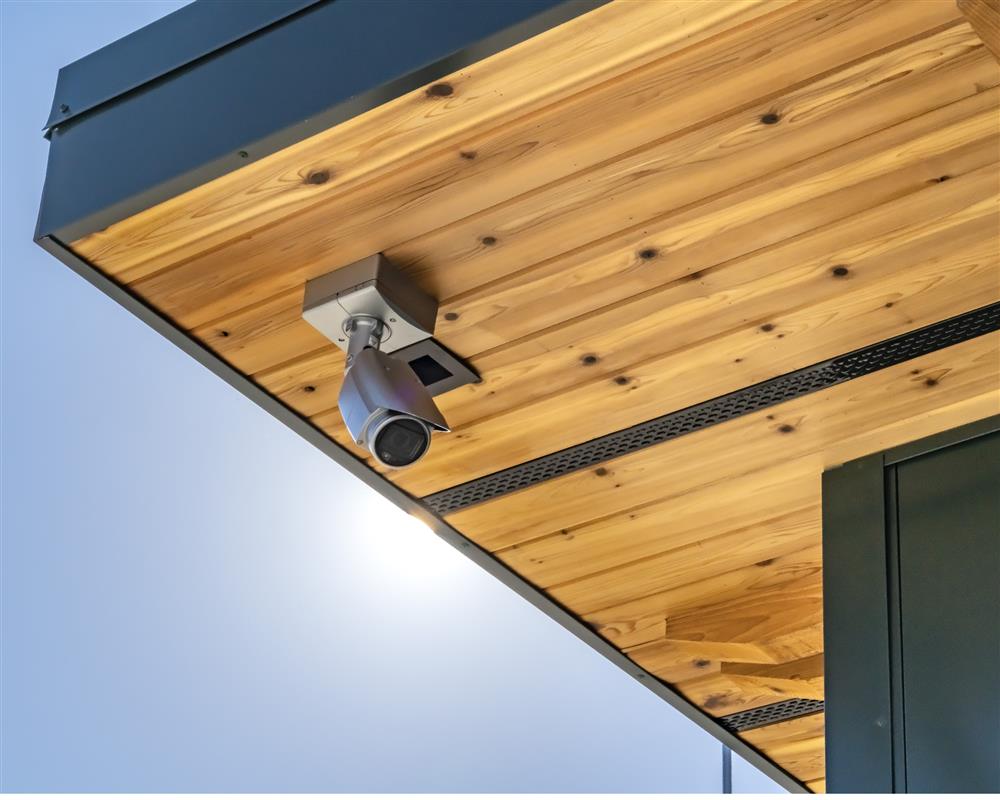
A: Security is a major concern for corporate clients and, as such, corporate relocation companies will seldom consider properties without 24-hour security. In an estate or complex, this includes a 24-hour security guard, access control, electric fencing, and CCTV. The more security features the estate boasts, the more likely a corporate relocation agent will source it for their corporate client. The property itself should have all necessary security measures in place, for example, an alarm system, beams, a trellis door, burglar bars, etc.
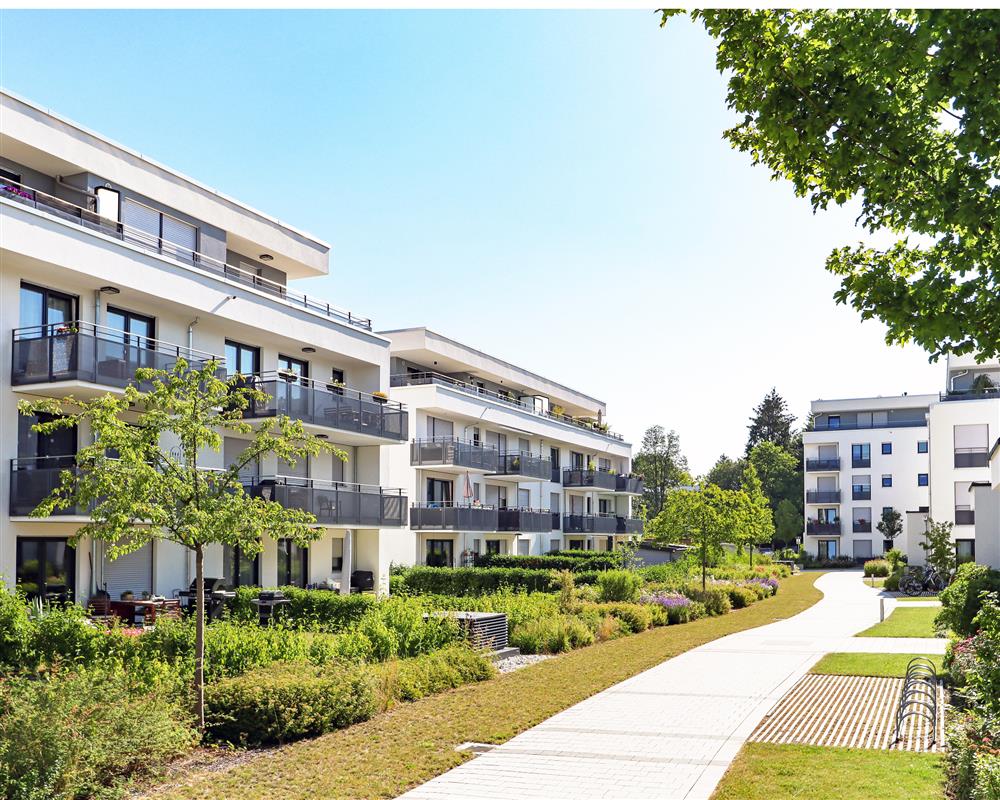
As a result, corporate relocation companies, on behalf of their clients, prefer sectional title property (apartments, clusters, etc.) in a secure estate. This does not eliminate free-standing property entirely. Corporate individuals signing the lease agreement in their own name will consider high-end free-standing homes, provided all the necessary security measures are in place.
Q: Does my property need to be situated in Sandton?
A: As many large multinational companies are based in Sandton, the demand for luxury property in or surrounding the city’s wealthy business hub is high. Corporate relocation consultants will source properties for their corporate clients in close proximity to the company’s head offices to reduce the amount of time their client spends in traffic. Areas such as Sandhurst, Sandown, and Morningside are among the most sought-after suburbs in the Sandton area.
Likewise, demand for corporate property in Rosebank has skyrocketed since large corporates like PepsiCo, Standard Bank, and Anglo American moved into the area.
Q: Who is the tenant: the company or the occupant?
A: This depends entirely on who signed the lease agreement. In the case of a true corporate tenancy, the corporate entity signs the lease agreement and commits to paying the monthly rental instalments for the duration of the lease agreement on behalf of their employee. The lease agreement is drawn up in the company’s name (the tenant), rather than the occupant’s name (the corporate individual residing in the property). Should the corporate executive sign the lease agreement in their own name, they commit to covering the cost of their tenancy themselves. According to the lease agreement, they are liable for the full monthly rental, even if the company is paying their rental by way of a ‘housing allowance’.
Q: What is a reasonable deposit for a corporate rental property?
A: The landlord determines the size of the deposit. An acceptable industry standard is a deposit of two months’ rent for a furnished property. The deposit can be increased to offset any other risk that the landlord deems likely. However, unreasonably high deposits may hinder the timely rental of the property. The deposit must be invested in an interest-bearing bank account, and all interest earned during the lease period belongs to the tenant. The tenant may, at any time during the lease period, request that the landlord provide written proof that the deposit has been invested and the interest earned thereon, and the landlord is obligated to provide such proof. The Rental Housing Act regulates the treatment of the deposit.
If you are thinking about furnishing your property and turning it into a corporate rental, get in touch with us.




































































![What is POPIA? [Part 1]](https://s3.entegral.net/news/Thumbnail_2021_10_18_11_53_39_403.jpeg)