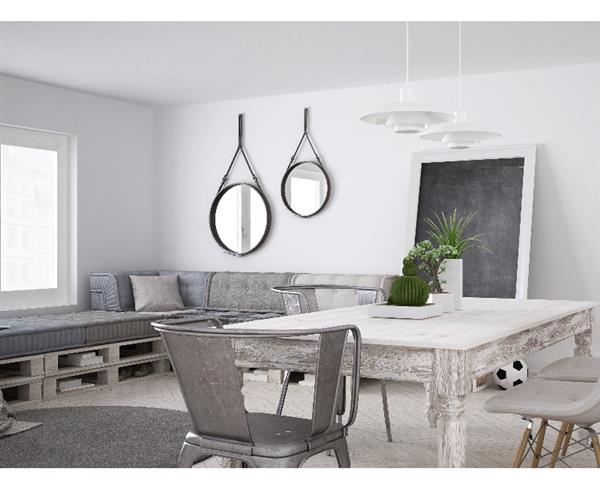
Should Landlords Sell or to Hold?
With ownership costs rising and the rental market becoming more complex, many landlords ar...




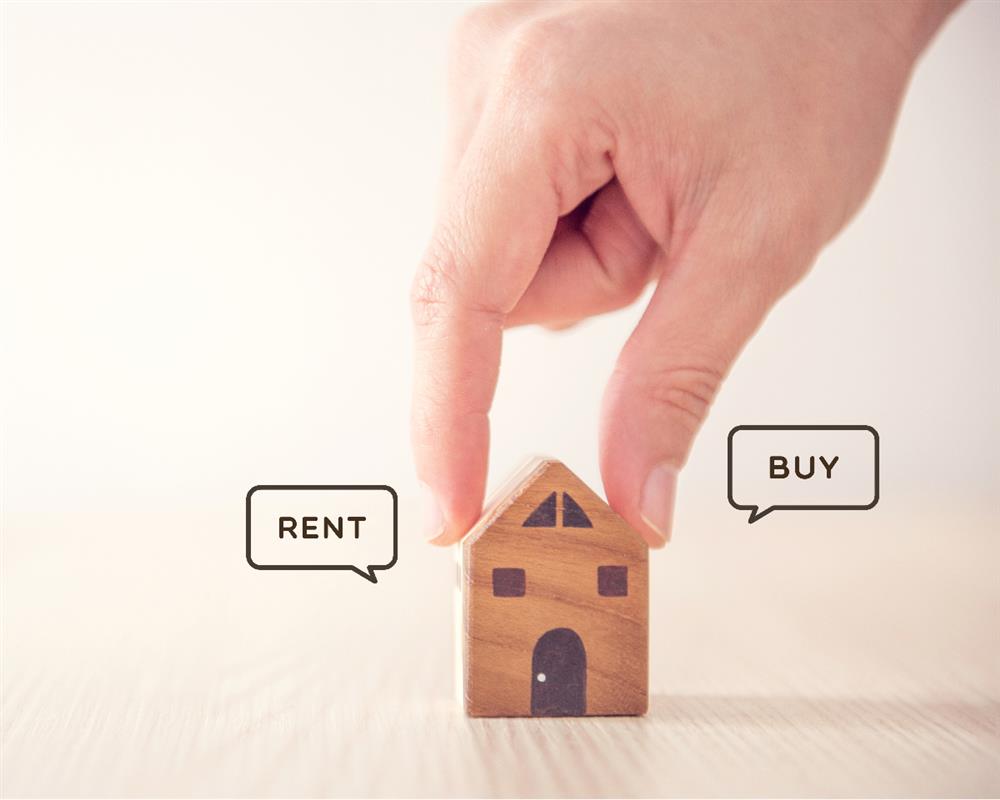
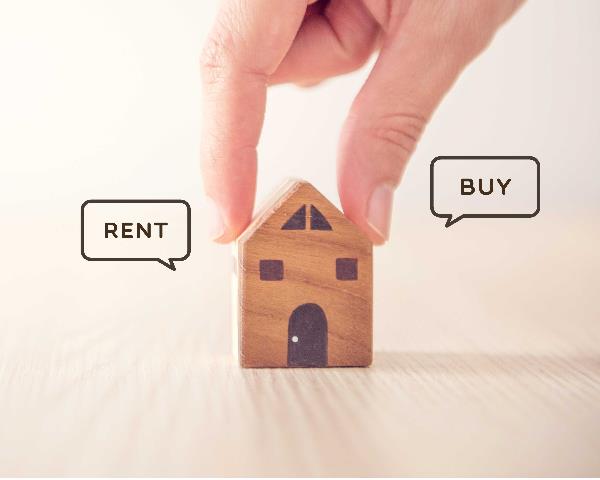
With ownership costs rising and the rental market becoming more complex, many landlords are asking a very practical question: should I sell my investment property, or hold onto it?
While a rental property is traditionally seen as a secure long-term asset, current market conditions mean that every property needs to justify its place in your portfolio. Deciding on the best path forward requires looking closely at the numbers and balancing local market realities against your broader financial goals.
If you are currently weighing up whether to sell or hold an investment property, here are the key factors to consider.
A property’s performance should never be measured by the gross monthly rent alone. To understand your true return, you need to look at what remains after all monthly obligations are met.
When reviewing your portfolio, ensure you have a clear view of how the following expenses are impacting your margins:
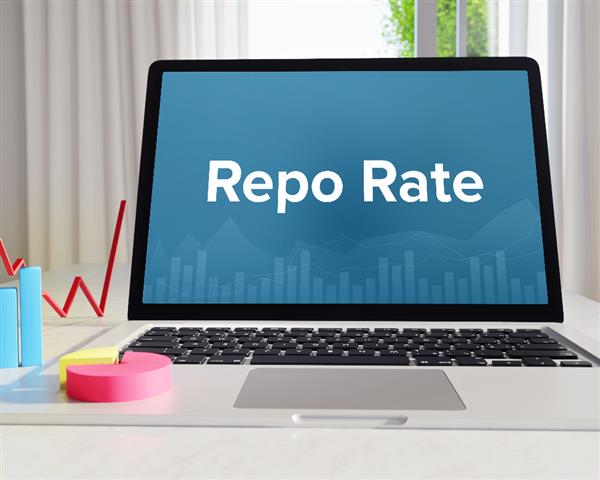
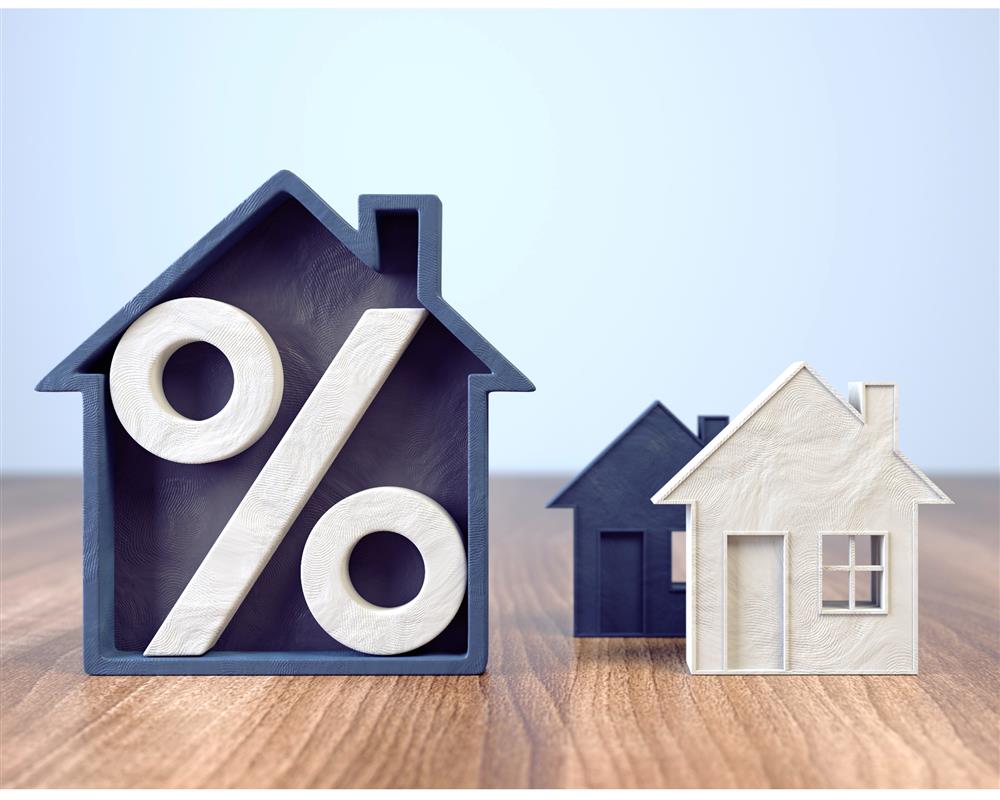
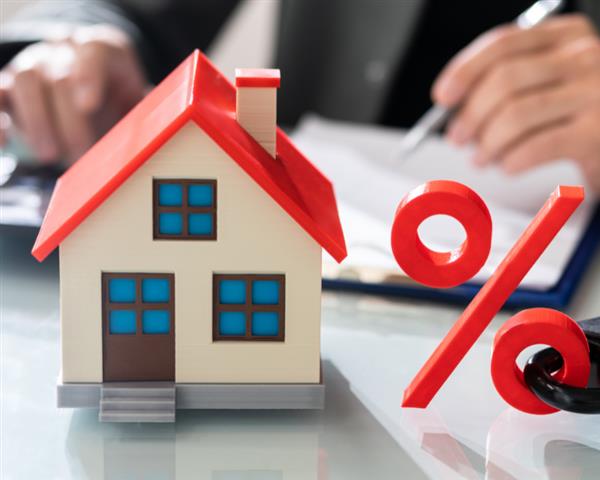
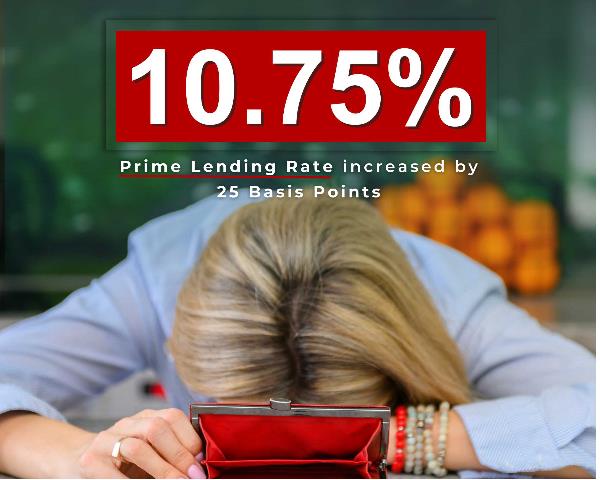
With the South African Reserve Bank (SARB) expected to move the repo rate to 7.00% to curb persistent inflation, holding costs are likely to remain elevated. These interest rate pressures place a double-edged strain on the market: they increase your bond repayments while simultaneously squeezing your tenants' household budgets. Locally, these pressures often manifest as slower rental growth, greater resistance to annual escalations, and an increased risk of arrears.
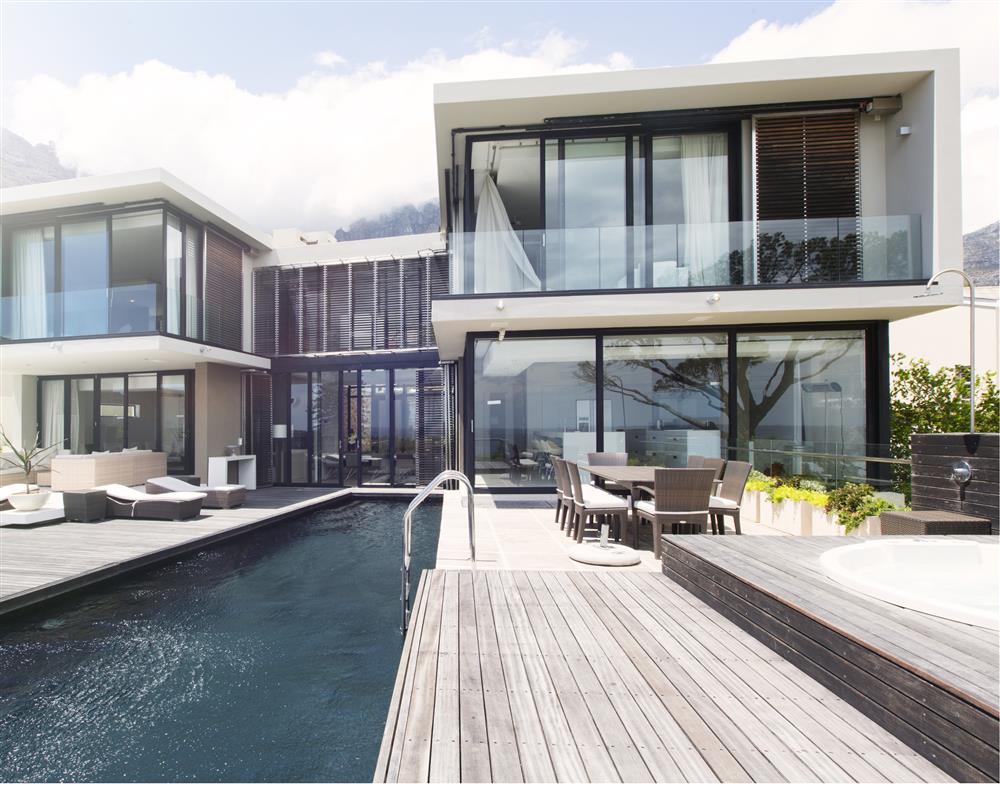
If your property is well-located, consistently tenanted, and situated in a high-demand Johannesburg suburb, holding onto the asset is often the right decision.
A reliable, paying tenant and manageable maintenance expenses are incredibly valuable in the current economic climate. If the property continues to show prospects for steady, long-term capital growth and the net returns remain positive, keeping the asset allows you to continue building equity as the market stabilises.
Conversely, if net returns are weak, municipal costs are rising faster than rentals, or the specific suburb is no longer performing as expected, it may be time to consider selling.
Property is an illiquid asset, meaning your capital is tied up. In a challenging economic environment, liquidity can be highly strategic. Selling an underperforming property can allow you to reduce overall debt, improve your cash flow, or free up capital to reinvest in opportunities that better align with your financial goals.
If you do choose to sell, it is essential to be realistic about the realities of the current market. Affordability pressures have led more landlords to list their properties, which has increased the available stock on the market. At the same time, high living costs have reduced the pool of qualified buyers.
In this environment, buyers are highly cautious and quick to compare listings. Properties that are dated or overpriced face a high risk of stagnating on the market. For landlords who decide to exit, realistic, market-related pricing and strong positioning from day one are essential to securing a successful sale.
There is no single answer that fits every landlord. The right decision depends entirely on your specific property, the suburb dynamics, your tenant profile, and your personal financial horizon.
Reviewing your investment properties with a clear, practical lens - assessing exactly what the asset costs, what it earns, and what it is likely to do next - is the best way to protect your wealth.
If you are unsure of your property’s current market value or want to assess its rental performance against competing stock in the area, our team is always available to provide an updated valuation and data-driven market insights to help you move forward with confidence.






















































![What is POPIA? [Part 1]](https://s3.entegral.net/news/Thumbnail_2021_10_18_11_53_39_403.jpeg)